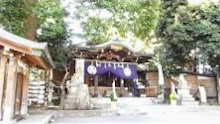
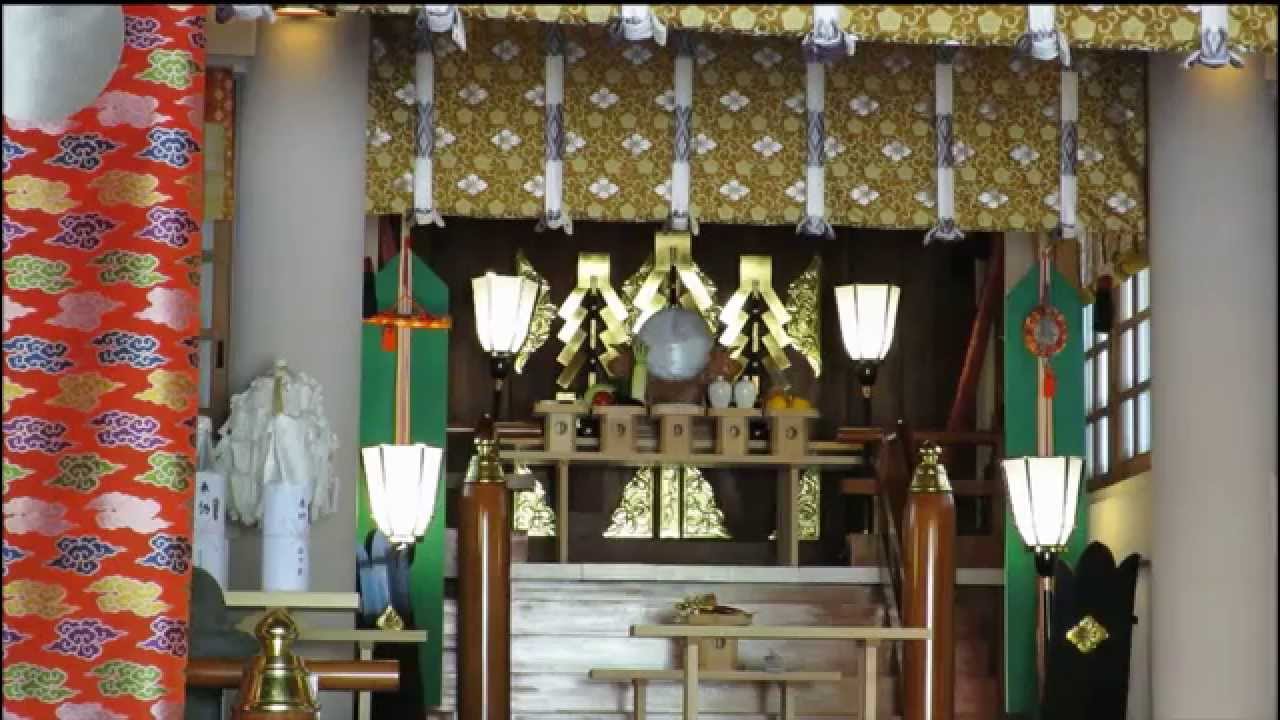
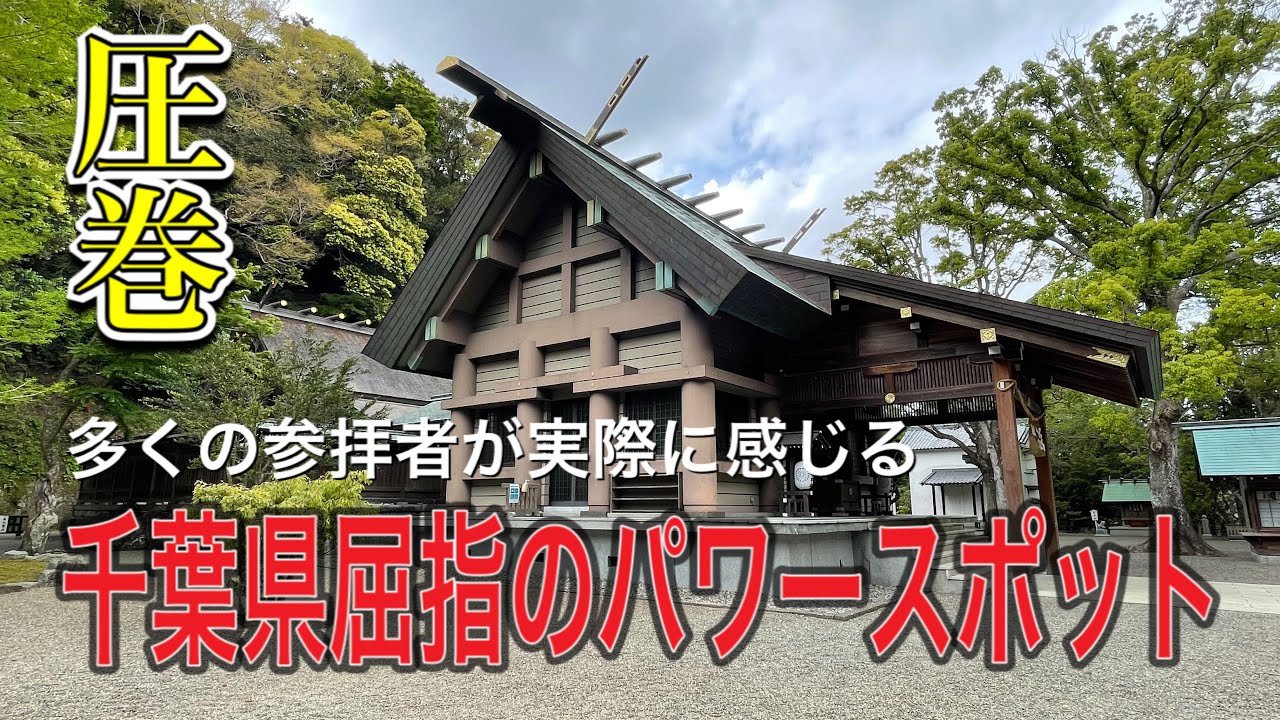
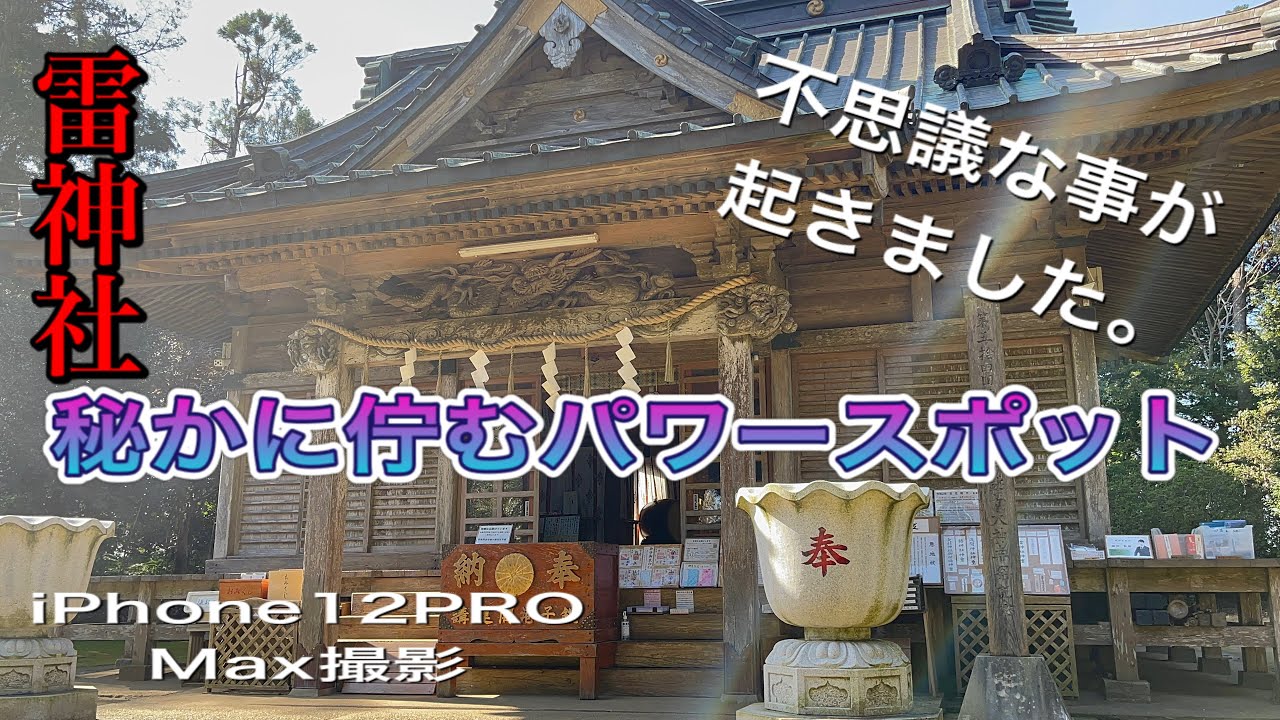
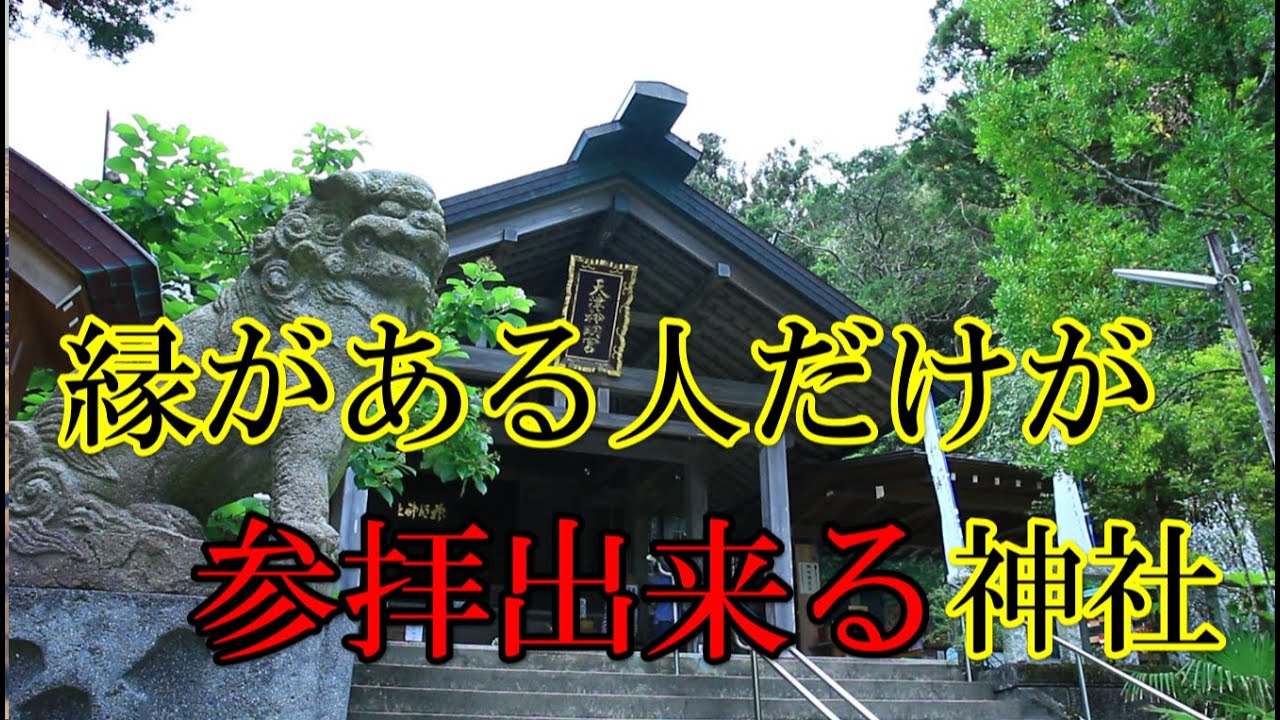
It is said that the founding of Awa Shrine dates back more than 2670 years, and is the first year of the imperial era (660 BC) when Emperor Jimmu became the first emperor. At the behest of Emperor Jimmu, Tentomi (the god of the lower shrine) was asked for fertile land, and first landed in Awa Province (currently Tokushima Prefecture), where hemp and grains (kaji = paper, etc.) Was planted and cultivated.
After that, in search of more fertile land, the Tentomi group took a part of Mr. Abe, who lives in Awa Province, on the Kuroshio Current and landed at the southern tip of the Boso Peninsula, where hemp and grains were also planted. It was. At this time, Awa Shrine is celebrating his own ancestors, Tenta Tamai and Tenbiri Swordsman, on two mountains, Otokoyama and Megamisan, on the landing site of Furahama. This is the origin of the current Awa Shrine.
When Emperor Keiko made a pilgrimage to Togoku in memory of Prince Nihon Takeru, who had collapsed in Nobono, Ise Province, he built a company at the eastern end of Tsubakinoumi and set up a company to protect Tokai. It is said that Tsubakinoumi Kuto, who was later appointed to Shimokaijo Kokuzo, dedicated his ancestor, Ame-no-ho Nichimei. In the 12th year of Enryaku (793), it is said that Kamigamo Betsurai Shrine solicited and enshrined “Betsuraimei” and received the title of “Raidaijin” from Emperor Kanmu. The current shrine was completed in 1910 (Meiji 43). The precincts of the shrine are Tsushima Ogami, which was founded in Kyowa 4 (1804), rice field gods in Bunsei 11 (1828), Tennomiya in Ansei 2 (1855), and stones in Anei 4 (1775). There are Sekison Gongen, Kinbira God in 1805, Smallpox demon in Tenpo 15 (1844), Tenmangu Shrine in 1977, and Inari Shrine relocated in 2007.
5:32 A fairy was reflected on the screen while projecting the Musubi tree, which is a sacred tree.
Please calm your mind and look at it with a gentle feeling.